Which screen mesh belongs on a Space Coast cage?
The crew is gone in days; the mesh stays up for years. Four screen types cover nearly every enclosure in Brevard County, and picking between them is mostly a matter of where you live and who — or what — shares the lanai.
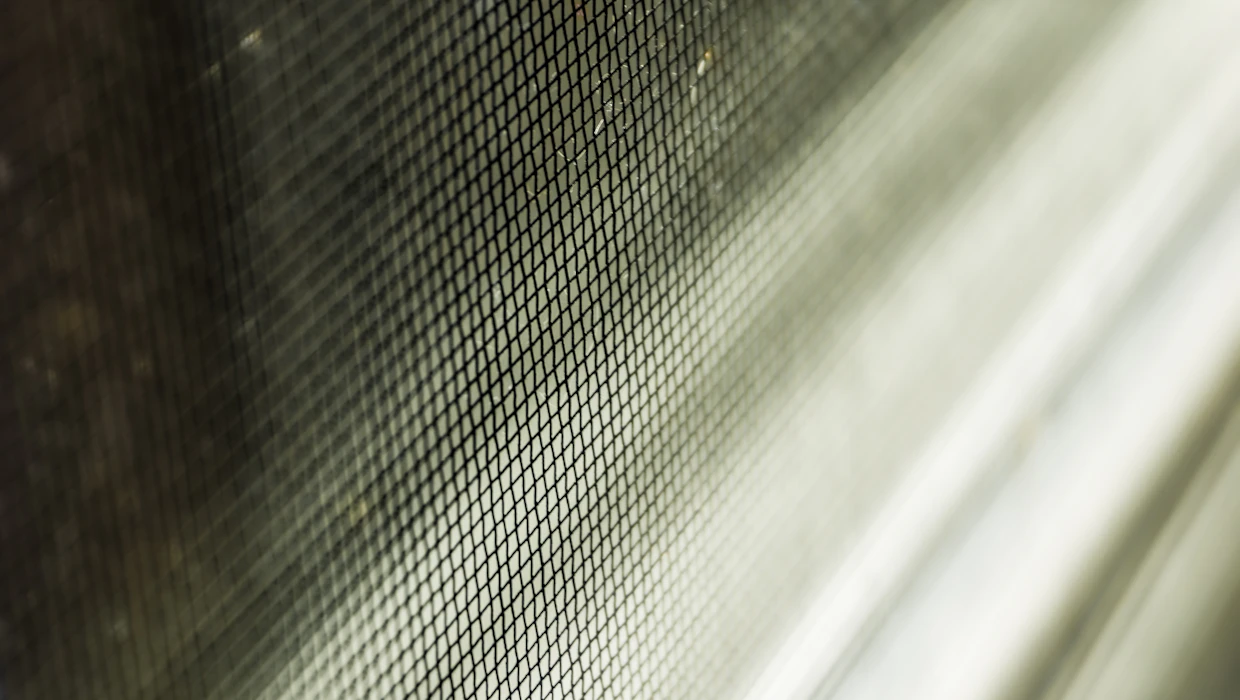
Standard 18/14 fiberglass — the default for a reason
The numbers describe the weave: 18 strands per inch one way, 14 the other. That spacing is the long-standing pool cage standard because it balances the three things a cage exists for — bug exclusion, airflow and a view you forget is there. Charcoal is the usual color; it reads more transparent from inside than lighter grays.
- Right for: most inland cages — the bulk of Palm Bay, West Melbourne and Melbourne proper.
- Skip it when: no-see-ums walk through it at your address, or a determined dog treats it as a door. Read on for both.
20/20 no-see-um mesh — for life near the water
No-see-ums are biting midges small enough to pass straight through standard screen, and anyone who has spent a May evening near the Indian River lagoon knows the difference between mosquito-proof and midge-proof. The University of Florida's IFAS extension keeps a plain-English profile of the insect — Biting Midges, No-See-Ums — which says it outright: regular window screen does not exclude them, because opening size is everything. A 20/20 weave closes the gaps.
- Right for: cages near Turkey Creek, the lagoon shoreline, Malabar's riverfront end, and marsh-adjacent streets anywhere in the county.
- The trade: the tighter weave passes slightly less breeze and costs more per square foot than 18/14. Inland, that is usually a price paid for a problem you do not have.
Pet screen — the end of the re-repair cycle
Pet screen is a heavier vinyl-coated polyester weave that shrugs off claws and noses that shred standard fiberglass. It is the permanent answer to the panel your dog has already gone through twice.
- Right for: lower wall panels, door bottoms and kick areas — the zone pets actually reach.
- The trade: it costs more, and its heavier strands read slightly darker, so screening an entire cage in it buys toughness where nothing was threatening the mesh. We usually band it low and run standard mesh above.
Florida glass — privacy and splash control, used sparingly
Florida glass is fiberglass mesh laminated with a vinyl layer — you cannot see through it, and wind-driven rain, sprinkler spray and mulch splash stop at it. On the Space Coast it earns its place as a lower-panel material along fence lines and close property boundaries.
- Right for: kick panels facing a neighbor's windows, pool-deck edges that catch sprinkler overspray, and low panels that collect grass clippings.
- Skip it when: you are tempted to run whole walls of it. A cage needs to breathe; sealed walls turn a lanai into a greenhouse and give gusts a surface to shove against.
UV life: why spec sheets beat sales talk
Every mesh on this page dies the same death — ultraviolet light slowly makes it brittle — and the meaningful difference between products is how long that takes. That is a manufacturer question, not a contractor question. Phifer, the mill behind most of the screen hung in Florida, publishes specifications and warranty terms for each screening line at phifer.com; whoever quotes your rescreen should name the brand and product they intend to install, in writing, so you can check the sheet yourself. Ours do.
One honest local note: nothing lasts as long beachside. Salt spray and reflected coastal light age everything faster, which is one more reason the spec on the quote matters more than the color of the truck in the driveway.
Mixing mesh in one cage is normal
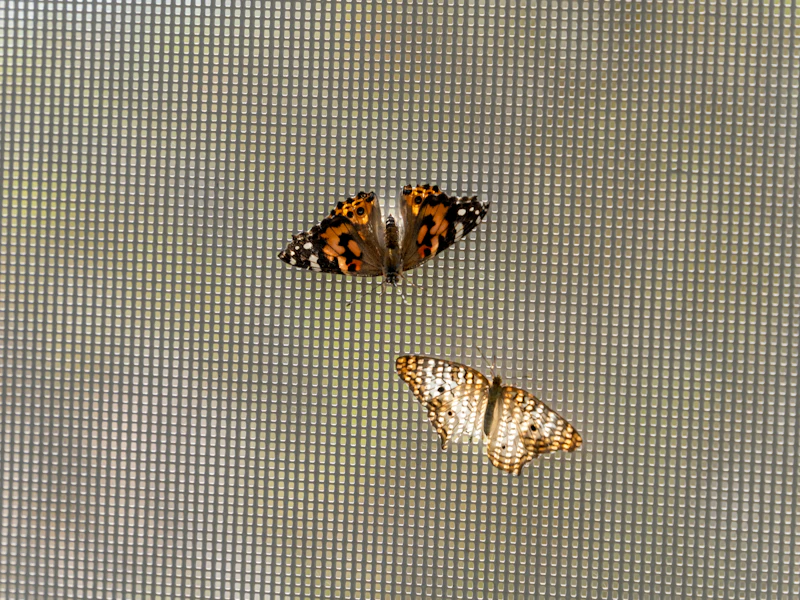
The best-specified cages in Brevard are rarely one mesh wall to roof. A typical combination we hang: pet screen across the door bottoms and lowest wall band, florida glass on two kick panels along the fence line, and standard 18/14 everywhere else — or 20/20 throughout for a creekside address. Mixing costs nothing extra beyond the material difference, and it puts the expensive weaves only where they work.
If you are pricing a job, the cost guide shows how mesh choice moves the square-foot number, and the rescreen page covers the process end to end.
Tell us the address; we will tell you the mesh
Creekside, beachside or deep inland — the right spec is usually obvious once we know the street and the household.
Ask through the quote form